Religion
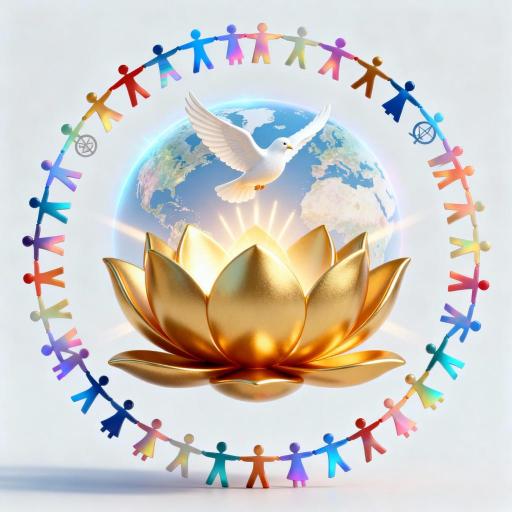
Religion is a complex system of beliefs, practices, and values through which people relate to what they see as holy, sacred, or ultimate reality. It shapes how individuals and communities understand the purpose of life, moral rules, and their place in the universe.
Most definitions describe religion as a unified set of beliefs and practices related to sacred things, often involving worship, rituals, and moral codes within a community. It can be personal (one person’s faith and prayer) or institutional (organized churches, temples, mosques, and religious groups).
The word “religion” comes from Latin roots linked to ideas of reverence, obligation, and being bound to something greater than oneself. Forms of religious belief and ritual existed long before writing, with archaeological evidence of burial customs and sacred practices going back tens of thousands of years.
Historical development
Early religions were often animistic or polytheistic, seeing spirits in nature or many gods responsible for different aspects of life. Over time, more organized traditions with scriptures, priesthoods, and temples developed in different regions.
Major world religions
Today there are thousands of religious traditions, but a smaller group has very large numbers of followers worldwide. Often-mentioned major religions include:
Hinduism, with ancient roots in India and diverse beliefs about Brahman, dharma, karma, and rebirth.
Buddhism, arising from the teachings of Siddhartha Gautama (the Buddha), focusing on suffering, mindfulness, and the path to nirvana.
Christianity, centered on Jesus Christ, teaching faith in one God, love, forgiveness, and salvation.
Islam, based on belief in one God (Allah) and the prophethood of Muhammad, with practices like prayer, fasting, charity, and pilgrimage.
Sikhism, originating in Punjab, emphasizing one God, equality, honest living, and community service.
There are also many other traditions and indigenous religions that deeply shape local cultures and identities.
Functions in personal life
Religion gives many people a sense of meaning and purpose, helping them answer questions about suffering, death, and what happens after life. Beliefs about the soul, destiny, and the divine can provide comfort and hope during difficult times.
Functions in society
From a sociological view, religion helps create social unity by giving people shared beliefs, values, and rituals. Gathering in temples, mosques, churches, gurudwaras, and other sacred places strengthens bonds between community members.
Diversity and debate
Religions differ greatly in their ideas about God or gods, the soul, salvation, and correct behavior, and even within one religion there can be many sects and interpretations. This diversity is a source of rich culture and philosophy, but it has also sometimes led to conflict, misunderstanding, and intolerance.
Modern discussions about religion explore both its positive roles—like meaning, community, and ethics—and its potential problems, such as rigidity or exclusion of others. Many people today also identify as spiritual but not religious, or follow a mix of traditions, showing that religion continues to evolve along with society.