Abroad Country
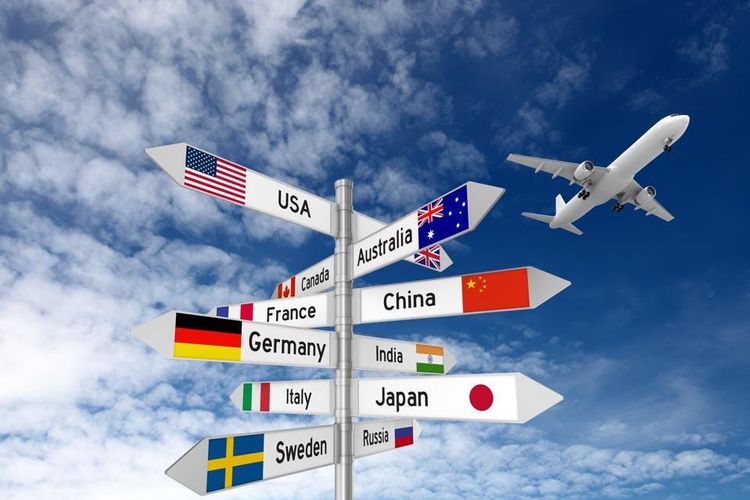
Abroad countries attract students, workers, and families because they offer new opportunities, higher income chances, and a different lifestyle compared to living only in one’s home country. Going abroad usually means leaving the comfort zone and entering a place with new language, culture, climate, and systems, which brings both benefits and challenges for any person.
Why people go abroad
Many students choose to study in abroad countries to access better universities, advanced courses, and international degrees that can improve their job chances later. Studying abroad also gives exposure to world-class professors, modern labs, and global classmates, which helps build a strong academic and professional network.
Benefits of studying abroad
Studying in another country helps students become more independent, responsible, and confident because they have to manage everything from budgeting to daily life without family support. It also improves communication skills, especially in English or the local foreign language, which is valuable for future careers.
Challenges of studying abroad
Living and studying in a new country can be expensive because of tuition fees, high rent, and daily costs, which often forces students to depend on loans or part-time jobs. Language barriers, new accents, and different classroom expectations may also create academic pressure and stress in the beginning.
Living and working abroad
People who live and work abroad often enjoy higher income, better infrastructure, and organized systems such as public transport, health services, and clean cities. Many countries in Europe and other regions give good work–life balance with fixed working hours, paid leave, and focus on mental health.
Cultural adaptation in abroad countries
Moving abroad means entering a culture with different food, clothing, greetings, time sense, and social manners. Learning to respect local customs, understanding what is polite or rude, and following local laws helps immigrants and students blend in smoothly.
Cultural adaptation usually passes through stages like excitement, confusion or crisis, adjustment, and finally acceptance, where the person feels comfortable in both home and new cultures. Building friendships with locals and other expats, joining communities, and learning the local language make this process easier and faster.
Risks and things to consider
Going to an abroad country also has risks such as unstable job markets, visa limitations, health issues, and possible discrimination or misunderstanding due to cultural differences. Economic changes or company layoffs in the foreign country can affect migrants more strongly because their visa often depends on their job. People planning to go abroad should research carefully about the target country’s cost of living, visa rules, safety, job market, and education system before making decisions. With proper planning, realistic expectations, and emotional readiness, living, studying, or working in an abroad country can become a powerful experience that builds skills, confidence, and a global mindset for life.